
Activated carbon, explained
Guides from our technical team: how to choose a grade, what the specifications mean, and how carbon is used in water, oils, sugar, pharma, gold and gas.

Applications · 2 min read
Activated carbon for air and gas purification
Removing VOCs, solvents and odours from air and process gas with activated carbon: pellets vs granules, CTC activity, humidity, bed design and safety.
31 October 2026

Applications · 3 min read
Activated carbon for drinking water treatment
How water works use powder and granular activated carbon for taste and odour (geosmin, MIB), pesticides, disinfection by-products and micropollutants.
Applications · 2 min read
Activated carbon in pharmaceutical and API purification
How pharmaceutical plants use activated carbon to decolorize APIs and intermediates, remove impurities and catalyst residues, and which grade properties matter.

Applications · 2 min read
Activated carbon in wastewater and effluent treatment
Using powder and granular activated carbon in ETPs to reduce colour, COD, toxic organics and odour, with dosing points, contact time and grade selection.

Applications · 2 min read
Chloramine removal with catalytic activated carbon
Why chloramine is harder to remove than chlorine, how catalytic activated carbon breaks it down, and contact times for water, dialysis and RO pre-treatment.
Applications · 2 min read
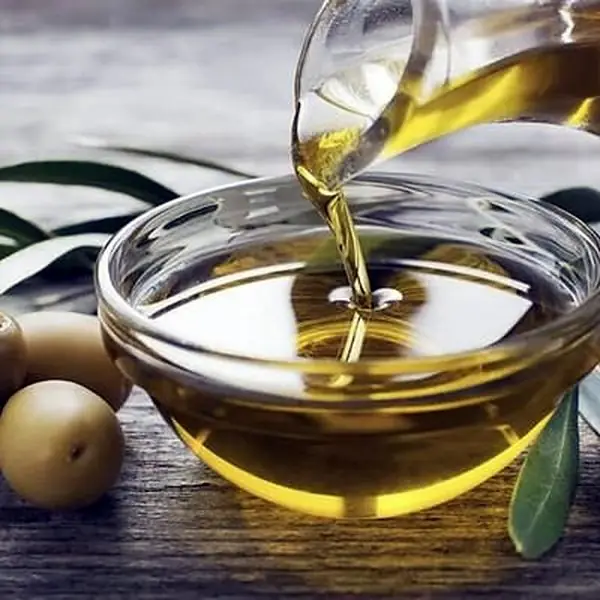
Edible oil bleaching with activated carbon
How refiners use activated carbon with bleaching earth to remove colour, PAH, odour and contaminants from edible oils, with typical doses and grade choice.
Applications · 2 min read
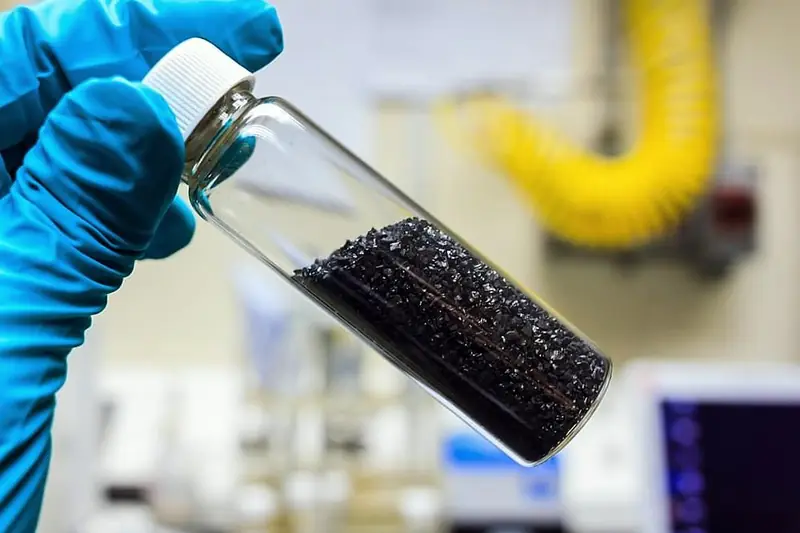
Hydrogen sulphide (H₂S) removal with activated carbon
Removing hydrogen sulphide from biogas, sewage works and vents with impregnated and catalytic activated carbon: how it works and how to size a bed.

Applications · 2 min read
Mercury removal from flue gas with activated carbon
How powdered activated carbon injection and impregnated carbon beds capture mercury from power plant, incinerator and industrial flue gas.

Applications · 2 min read
Sugar and glucose decolorization with activated carbon
How cane sugar refineries and starch sweetener plants use powder and granular activated carbon to remove colour, odour and impurities from liquors and syrups.